
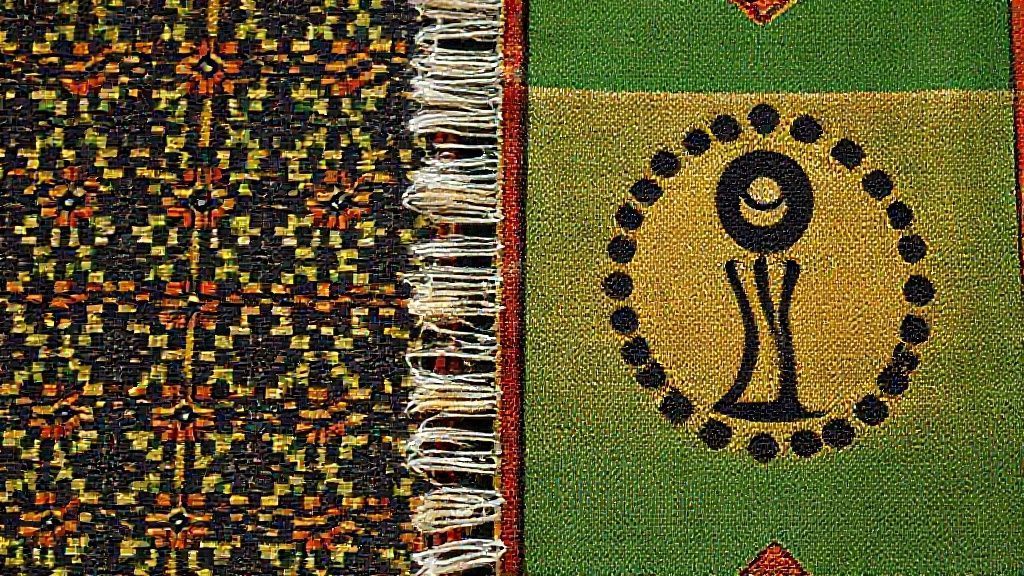
The Living Canvas: Why Kente and Adinkra Define Ghana’s 21st Century Identity | Art & Design Foundation SHS1 Sem1 Week2 (NaCCA/WASSCE)
100% NaCCA ALIGNED: The Living Legacy of Indigenous Ghanaian Art
Welcome to Week 2 of Art & Design Foundation! At School Support, we believe that understanding the foundation of Ghanaian creativity—our indigenous art—is crucial. This lesson uses the Feynman Technique to simplify complex historical contributions, ensuring you master Content Standard 1.1.1.CS.1. Kente and Adinkra are not relics of the past; they are the vibrant threads weaving the fabric of modern Ghana.
Mastering the Objectives (NaCCA Standard 1.1.1.CS.1)
By the end of this deep-dive, you will be able to describe the profound contributions of major indigenous Ghanaian art periods and specific artworks (like Kente and Adinkra) to the contemporary culture and art history of Ghana.
- Simplified Goal: You will explain how ancestral art ideas show up in modern Ghanaian life (fashion, government, global identity).
- NaCCA Focus: We analyze materials, processes, uses, and socio-cultural relevance across time.
The Concept: Indigenous Art as a Language
Imagine art as a conversation with your ancestors. Indigenous Ghanaian art—like Kente and Adinkra—is highly symbolic, meaning every colour, every pattern, and every stamp carries a specific historical proverb or philosophical idea. These art forms survived colonialism and modernization because they are not merely decoration; they are historical records and statements of identity.
What is ‘Contribution’? (The Feynman Explanation)
A contribution is simply how something from the past helps shape the present and future. Think of it this way: your great-grandmother built a strong foundation for your family house. That foundation (the indigenous art) allows you to build a modern, high-rise structure (contemporary Ghanaian culture) on top of it. The modern building looks different, but it depends entirely on the strength of the original foundation.
Kente: Woven Royalty, Global Pride
Kente originated as a royal cloth, exclusively worn by the Asante and Ewe royalty for significant ceremonial occasions. It was historically woven from expensive silk threads. The complexity of the patterns and the skill required to weave them signified the wearer’s high status, wisdom, and wealth. The contribution of Kente today is twofold:
- National Symbolism: It transitioned from a royal identity marker to a national identity marker. When Ghanaian leaders wear Kente at international events, or when graduates wear Kente sashes, they are broadcasting Ghanaian pride and heritage globally.
- Aesthetic Standard: Its intricate colour arrangements and geometric balance set a high aesthetic standard that continues to influence modern textiles and graphic design across West Africa.
Adinkra: Proverbial Philosophy on Cloth
Adinkra is different from Kente. While Kente is woven, Adinkra is stamped. Traditionally, the process involves extracting dye (adinkra aduru) from the bark of the badie tree and using carved calabash stamps to impress symbols onto cotton cloth. The genius of Adinkra lies in its philosophy.
- Meaning Over Material: Each symbol is a pictorial representation of a proverb or historical event—like Sankofa (meaning ‘Go back and get it,’ urging us to learn from the past) or Gye Nyame (the ‘Except God’ symbol, signifying God’s omnipotence).
- Accessibility: Unlike royal Kente, Adinkra was traditionally associated with funerary cloths, allowing philosophical depth to be widely accessible to all levels of society.
Ghana Real-World Case: The Bottle Cap Tapestry
How does a tradition from the 17th century stay relevant today? Look at the work of world-renowned Ghanaian artist, El Anatsui. His massive, shimmering sculptures are not made of silk or badie tree dye. They are created from thousands of discarded metal bottle caps, flattened and woven together with copper wire. Why is this significant?
- The Kente Echo: Anatsui’s works hang and flow like gigantic, shimmering textile curtains. By using the metallic caps and joining them in modular patterns, he is visually referencing the strip-weaving process and the luxurious texture of royal Kente.
- The Material Contribution: Our indigenous ancestors used materials available in their immediate environment (wood, clay, bark). Anatsui does the same. He uses the ‘waste’ of the modern era (bottle caps) and transforms them into objects of profound beauty, continuing the Ghanaian tradition of transforming simple, local materials into high art with deep meaning.
- Contribution Defined: Anatsui proves that the *method* and the *philosophy* of indigenous art are the key contributions, not just the physical materials.
WASSCE & NaCCA Strategy: Articulation is Key
When studying indigenous art for your examinations, focus on the ‘Why’ rather than just the ‘What.’ Examiners want to see that you understand the continuity of cultural relevance (1.1.1.CS.1).
- The Four Pillars of Analysis: When describing an artwork, ensure you touch on these four pillars:
- Materials & Process: (e.g., Kente uses strip weaving, Adinkra uses calabash stamps and badie dye).
- Traditional Use: (e.g., Kente for royalty and ceremonies, Adinkra for funerary rites and philosophical teaching).
- Socio-Cultural Relevance: (e.g., They communicate identity, status, and morality).
- Contemporary Contribution: (e.g., They inspire global fashion, modern fine artists like El Anatsui, and reinforce national identity).
- Linking to Contemporary Culture: Always provide a modern example. If the question asks for the contribution of Adinkra, mention how the Sankofa symbol is used in logos for educational institutions or how Gye Nyame is found on modern jewelry, demonstrating the symbols’ lasting philosophical power.
By learning how these foundational art forms continue to shape Ghana’s presence on the world stage, you are not just studying history—you are engaging with a living, evolving tradition. Trust School Support for 100% NaCCA ALIGNED mastery.
For Teachers: Purchase our NaCCA-aligned Premium Package to simplify your lesson preparation and teaching.
For Students: Get the NaCCA-aligned Premium Handout for easy-to-follow explanations and week-by-week Q&A packages.
![[Introduction to Economics]: Why Scarcity Forces Every Ghanaian to Choose | Economics SHS 1 SEM 1 WEEK 1 (WASSCE & NaCCA Aligned)](https://schoolsupport.lavadanstech.com/wp-content/uploads/2025/12/school_support_697-768x432.jpg)