The Semiotics of Garment Functionality and Stewardship | Clothing & Textiles SHS 1 SEM 1 WEEK 2 (WASSCE & NaCCA Aligned)
100% NaCCA ALIGNED: This module follows the official SHS Curriculum.
The Fundamental Purposes of Human Dress
Clothing transcends mere fabric; it is a complex system of communication and necessity, deeply embedded in social, psychological, and physiological needs. Understanding why humans wear clothes requires an examination of six critical functions that garments fulfill, often simultaneously.
- Protection: This is the most primal function. Clothing shields the wearer from environmental hazards—be it the intense tropical sun, abrasive elements, or disease-carrying vectors. In Ghana, traditional head wraps protect market women from the harsh midday heat, while protective gear ensures the safety of artisanal miners.
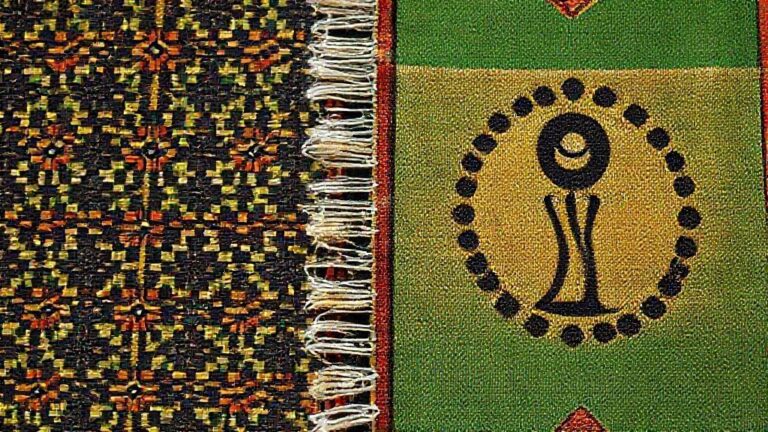
- Adornment: This relates to the aesthetic enhancement of the body. It is the human drive to beautify and draw positive attention. Adornment techniques include elaborate hairstyles, jewellery, and the use of rich, culturally significant fabrics. The intricate weaving and bright colours of Kente cloth serve primarily as a powerful form of adornment and celebration.
- Modesty: Defined by cultural norms, modesty dictates which parts of the body must be covered to maintain social decorum. What is considered modest varies drastically across different ethnic and religious groups. For instance, in many Ghanaian communities, covering the knees or shoulders is crucial in respectful settings like funerals or official gatherings.
- Status: Clothing acts as an immediate visual indicator of rank, wealth, or authority. The grandeur of a chief’s regalia—heavy gold, expertly draped cloth, and bespoke sandals—instantly communicates his elevated social standing and power within the community.
- Identification: Garments can categorize individuals by group membership, profession, or affiliation. School uniforms, military fatigues, and nurses’ scrubs are classic examples. In Ghana, wearing the Black Stars jersey identifies one immediately as a supporter of the national team, fostering collective identity.
- Mood Expression: Clothing can communicate internal emotional states. The choice of specific colours or styles often reflects psychological readiness or current feeling. Wearing black and red to a traditional funeral is a clear, culturally prescribed method of expressing grief and condolence.
Mastering Garment Stewardship: Techniques for Longevity
The effective care and maintenance of clothing—termed ‘garment stewardship’—is not merely a domestic chore but a critical economic and environmental necessity. Proper techniques extend the life cycle of textiles, preserving their aesthetic quality and reducing the frequency of replacement, thereby promoting financial prudence.
1. Cleaning and Washing
Effective washing requires methodical sorting and appropriate chemical application. Garments must be separated based on colour (whites, lights, darks), fibre content, and the degree of soiling. Ignoring textile care labels, which are miniature technical guides, is the primary cause of premature garment deterioration. A critical component of cleaning is prompt stain removal. Fresh stains, particularly common Ghanaian food stains like palm nut oil, must be treated immediately using appropriate solvents or enzymatic cleaners before the stain sets permanently through heat or time.
2. Ironing and Pressing
Ironing uses heat, moisture, and pressure to remove wrinkles and give a garment a crisp, professional finish. However, improper ironing can scorch fabric or degrade synthetic fibres. Key steps include checking the fibre content to set the correct temperature and utilizing a pressing cloth for delicate fabrics like silk or rayon. Always iron along the grain of the fabric to prevent stretching, especially around collars and cuffs.
3. Mending and Repair
Mending is the immediate correction of minor faults, such as a missing button, a loose hem, or a small tear. Proactive mending is far more efficient than allowing damage to escalate into irreparable faults. Learning basic hand stitches, like the running stitch for seams or the whipstitch for appliqué, ensures that minor damage is halted before the garment is compromised.
4. Optimal Storage
Proper storage protects garments from dust, pests (like silverfish or moths), and environmental damage (like mildew). Clean, ironed clothes should be stored in cool, dry, well-ventilated spaces. Heavy garments like winter coats should be hung on sturdy, shaped hangers to maintain structure, while knits must always be folded to prevent stretching and distortion caused by gravity. The use of breathable garment bags is essential for ceremonial wear, such as expensive wedding gowns or inherited textiles, ensuring they remain protected for future generations. Garment stewardship ultimately reflects personal discipline and respect for resources.
NaCCA ALIGNED
For Teachers: Premium Prep Package. For Students: Premium Handouts.
Section 3: The Local Laboratory
undefined
Section 4: Self-Check Quiz
Answer Key & Explanations:
Unlock Full Academic Mastery
Master the entire SEM 1 syllabus with our NaCCA-aligned resources.
DOWNLOAD TEACHER’S PREP SUITE
DOWNLOAD STUDENT’S MASTERY PACK
Full 14-week NaCCA-aligned experience (Lessons + Revision + Exams).