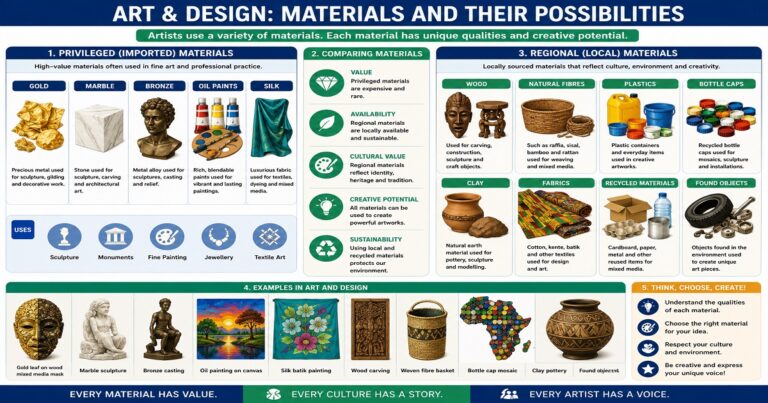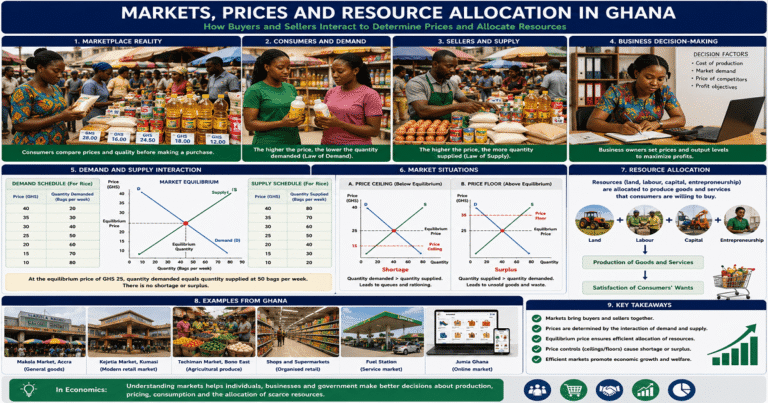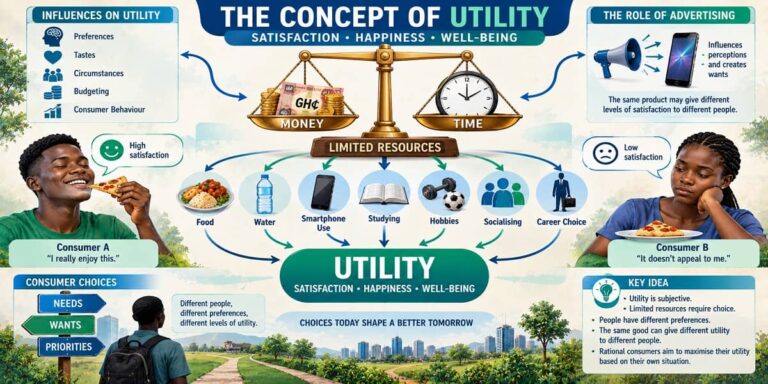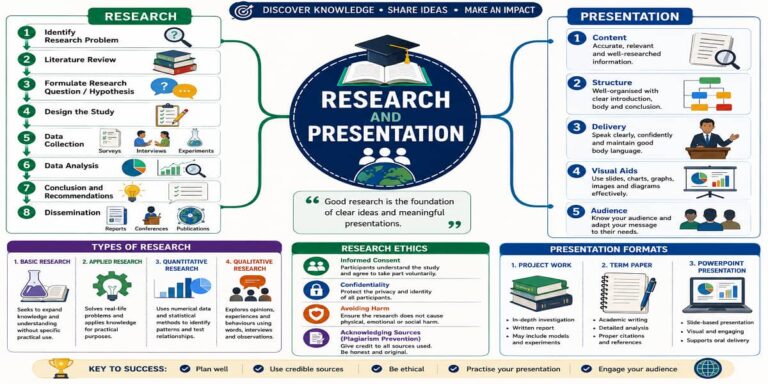
How Do We Create Meaning In Art And Design? Explained for SHS 1 Art & Design Foundation (Semester 2, Week 1)
Art and design communicate emotions, stories, and cultural ideas through visual forms and creative expression.
What You Will Learn
- The meaning of visual literacy
- How artists create meaning in artworks
- The importance of symbolism and representation
- The role of imitation, fantasy, and characterization
- How culture influences art and design
Main Explanation
Creating meaning in art and design involves using visual elements, emotions, symbols, and ideas to communicate messages. Artists create artworks that allow viewers to interpret meanings in their own ways rather than forcing a single interpretation.
One important method of creating meaning is developing a clear concept. Artists focus on telling stories, expressing emotions, and communicating ideas through their artworks and designs.
Themes are also important because they guide creative decisions and provide direction for artistic works. Artists use symbols, colours, and metaphors to add deeper meanings and emotional impact.
Personal expression helps artists communicate authentic experiences and viewpoints. Art and design can also provide social and cultural commentary by discussing issues affecting society.
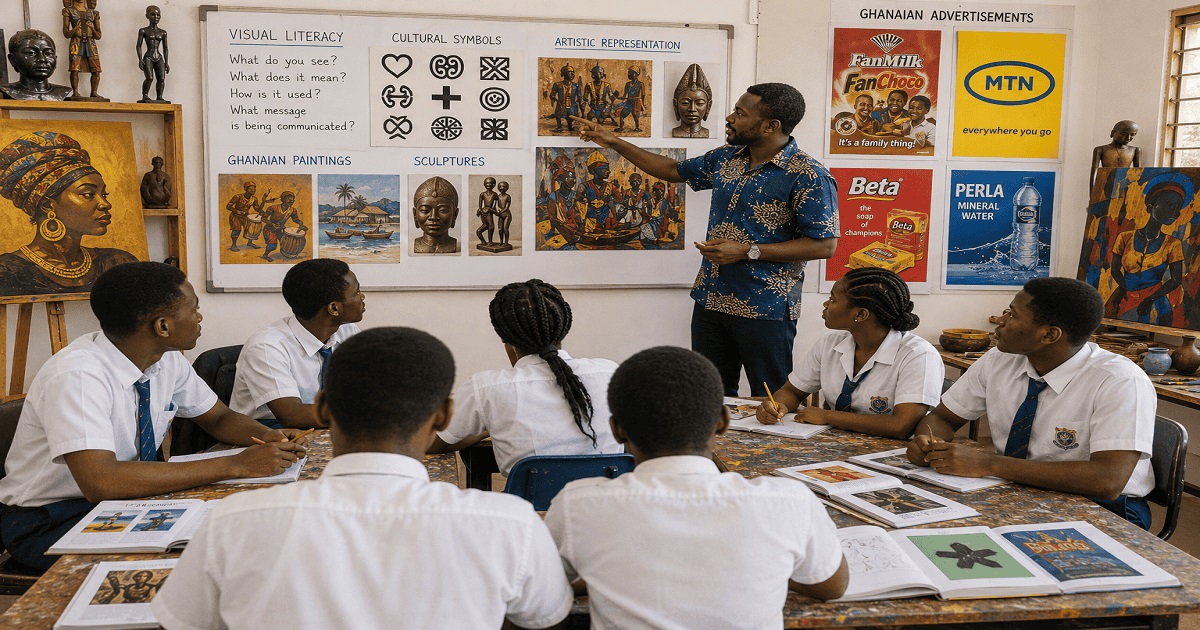
Visual literacy is the ability to understand and interpret visual images and artistic communication. It helps learners recognise artistic elements and understand how meaning is constructed through visuals.
Representation in art and design involves depicting ideas, people, objects, or experiences to communicate emotions and narratives. Representation may be realistic, abstract, symbolic, expressionistic, or conceptual.
Symbolism is another important artistic concept. Artists use symbols, colours, signs, and actions to communicate hidden themes and messages. Symbolism makes artworks more meaningful and engaging.
Imitation is an important learning process in art. Artists and learners observe and copy techniques or ideas in order to understand new concepts and improve their creativity. Cloning extends imitation by creatively transforming inspiration into new artistic works.
Fantasy allows artists to create imaginative worlds and ideas beyond normal reality, while characterization helps viewers understand personalities, emotions, and human experiences.
Art and design are strongly influenced by culture. Ghanaian advertising campaigns such as the J H Henkes Schnapps Kasapreko advert use culturally specific imagery and meanings to connect with audiences.
Ways Artists Create Meaning
| Method | Explanation | Effect |
|---|---|---|
| Symbolism | Using signs and colours | Adds deeper meaning |
| Personal Expression | Sharing personal experiences | Creates emotional connection |
| Cultural Commentary | Addressing societal issues | Encourages reflection |
| Fantasy | Using imagination creatively | Expands artistic ideas |
| Characterization | Developing relatable characters | Improves storytelling |
Forms Of Artistic Representation
| Representation Type | Description | Purpose |
|---|---|---|
| Realistic | Accurate depiction of subjects | Reflects reality |
| Abstract | Uses simplified forms | Expresses creative ideas |
| Symbolic | Uses symbols and signs | Communicates hidden meaning |
| Expressionistic | Focuses on feelings | Creates emotional impact |
| Conceptual | Emphasises artistic ideas | Encourages interpretation |
Worked Examples
Example 1
Scenario: An artist uses dark colours and broken shapes in a painting about war.
Explanation: The colours and shapes symbolise sadness, destruction, and suffering, helping viewers understand the emotional message of the artwork.
Example 2
Scenario: A learner creates a sculpture inspired by a traditional Ghanaian mask.
Explanation: The learner uses imitation and cloning techniques to study cultural symbols while creating a new artistic interpretation.
Why This Topic Matters
Understanding meaning in art and design helps learners communicate ideas creatively and interpret cultural messages effectively. Visual literacy also improves observation, creativity, critical thinking, and appreciation of artistic and cultural products.
Quick Practice
- Define symbolism in art and design.
- Explain the importance of visual literacy.
- State two ways artists create meaning in artworks.
Summary
Meaning in art and design is created through visual communication, symbolism, representation, and cultural expression. Artists use concepts, themes, emotions, imitation, fantasy, and characterization to communicate ideas and connect with audiences. Visual literacy helps learners understand how artistic elements communicate meaning in cultural and environmental contexts.
Access NaCCA-aligned Support Packs
Download your structured NaCCA-aligned Teacher Support Pack and Student Learning Pack, designed for clarity, practicality, and reliable teaching and learning.